Field Proof
Beat the Train: How Empire's Cameras Survived 125 Gs of Impact
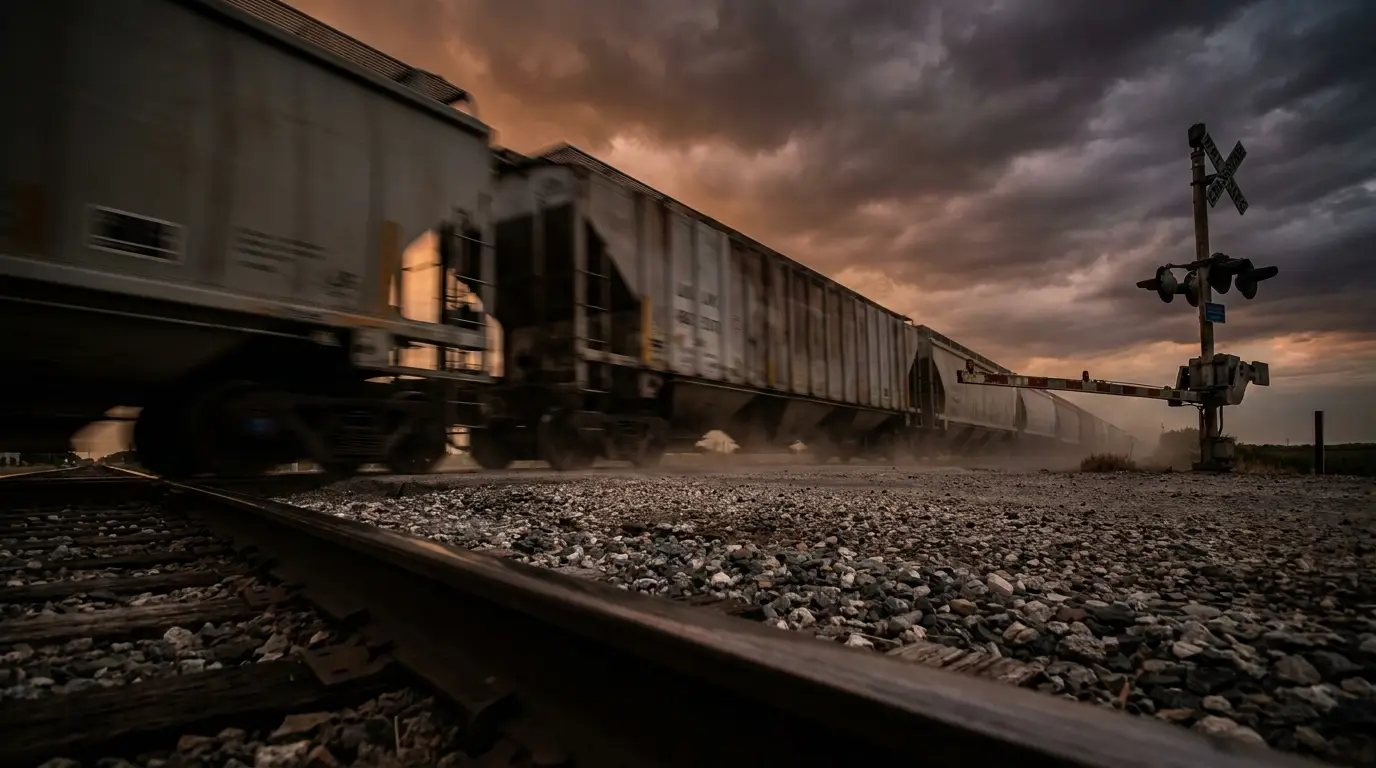
Most investigative agencies carry standard commercial equipment. Empire does not. When WPXI Television needed cameras inside a railroad crossing impact exercise, our gear absorbed 125 Gs and never missed a frame.
The Exercise Nobody Expected to Document This Way
WPXI Television, Pittsburgh's NBC affiliate, approached Empire Investigation LLC to collaborate on a public safety documentary series focused on a real law enforcement exercise: coordinated drills involving state police from five surrounding states, all aimed at understanding what happens when people are struck by trains at dangerous railroad crossings.
The exercise required cameras positioned at the point of impact. Not nearby. At the point of impact. For most investigative agencies, that sentence ends the conversation. The equipment simply would not survive, and the budget to replace it would not be approved. Empire's response was different.
What 125 Gs of Force Actually Means
A typical smartphone dropped flat onto pavement registers somewhere between 100 and 200 Gs of instantaneous force — and most do not survive it. Professional broadcast cameras are ruggedized, but they are not engineered for direct train impact. The force recorded during this exercise reached 125 Gs, sustained and directional, the kind of load that would destroy virtually any consumer or prosumer-grade device on the market regardless of how it was mounted.
Empire's cameras recorded through it. Every frame captured. No interruption. No recovery gap. The footage from inside the impact zone was broadcast as part of the WPXI investigative series and remains one of the clearest demonstrations of equipment capability any investigative firm has ever produced under documented field conditions.
Further Reading
Why Equipment Capability Is an Investigative Outcome
Clients sometimes ask why Empire invests what we invest in equipment. The answer is not about technology for its own sake. It is about the cases where the difference between documentation and nothing is whether your gear was where it needed to be and kept recording when conditions made lesser equipment fail.
The railroad crossing exercise was an extreme case by design. But the principle it demonstrated is one that applies across every type of investigation Empire conducts: corporate surveillance in adverse conditions, covert documentation in contested environments, and evidence collection in situations where a single interrupted frame would end the evidentiary value of the entire record.
Most investigative firms carry what is readily available and commercially affordable. Empire has maintained over $2 million in specialized investigative equipment for precisely the situations where that distinction decides what a case produces.
The WPXI Collaboration: What It Produced and Why It Matters
The WPXI partnership was not simply a television appearance. It was a documented public record of Empire's field capability, produced in collaboration with a network affiliate, reviewed by broadcast journalists, and aired to a regional audience as part of a serious public safety series. The five-state police coordination involved was not a staged demonstration — it was a real law enforcement exercise using Empire's documentation capability as the evidentiary record of impact force and crossing conditions.
That record now stands as independently verified proof of what Empire's equipment can withstand. No investigative firm self-certifies this kind of capability. It is either demonstrated under real conditions or it is not demonstrated at all. Empire demonstrated it on broadcast television in collaboration with law enforcement from five states. The footage is what it is.
Field Proof Is the Only Proof That Holds
The investigative industry is full of firms that describe their capabilities in brochure language. Equipment lists, credential abbreviations, and vague references to law enforcement relationships are easy to produce. What is not easy to produce is broadcast television footage of your cameras surviving a train impact at 125 Gs with zero frame interruption, documented in a five-state law enforcement exercise, verified by a network affiliate, and aired publicly.
Empire Investigation LLC has operated since 1982. The equipment investment, the WPXI collaboration, and the documentation that came out of the railroad crossing exercise are not marketing. They are a record. When clients need to know whether Empire can handle conditions that would end any other firm's engagement, this is the answer.
Watch the footage above. Then contact us if you have a case that requires documentation no other firm can deliver.
Questions, Answered
What kind of equipment does Empire Investigation use for field work?
Empire Investigation maintains over $2 million in specialized investigative equipment — gear engineered to operate under conditions that would destroy standard commercial and prosumer devices. The WPXI railroad crossing exercise, which exposed Empire's cameras to 125 Gs of impact force, is a documented demonstration of that capability. This is not marketing language; it is broadcast footage.
What was the WPXI railroad crossing exercise?
WPXI Television partnered with Empire Investigation to document a Pittsburgh-based law enforcement exercise involving state police from five surrounding states, focused on the dangers of people being struck by trains at railroad crossings. Empire's cameras were positioned to capture the train impacts directly. The footage was broadcast as part of WPXI's investigative series and remains one of the most striking public records of investigative equipment capability ever produced.
Why does equipment quality matter in a private investigation?
In any investigation, the documentary record is only as good as the equipment that produced it. A single missed frame, a device failure at the critical moment, or footage too degraded to be usable in court can end an entire case. Empire's equipment investment reflects the firm's understanding that evidence must not only exist — it must survive, hold up under scrutiny, and be produced in a form that courts, attorneys, and clients can rely upon.
Related Services
Keep Reading
More from the Dispatch
General
Tim Holoman: Emmy Award–Winning Broadcaster on Working with Empire Investigation
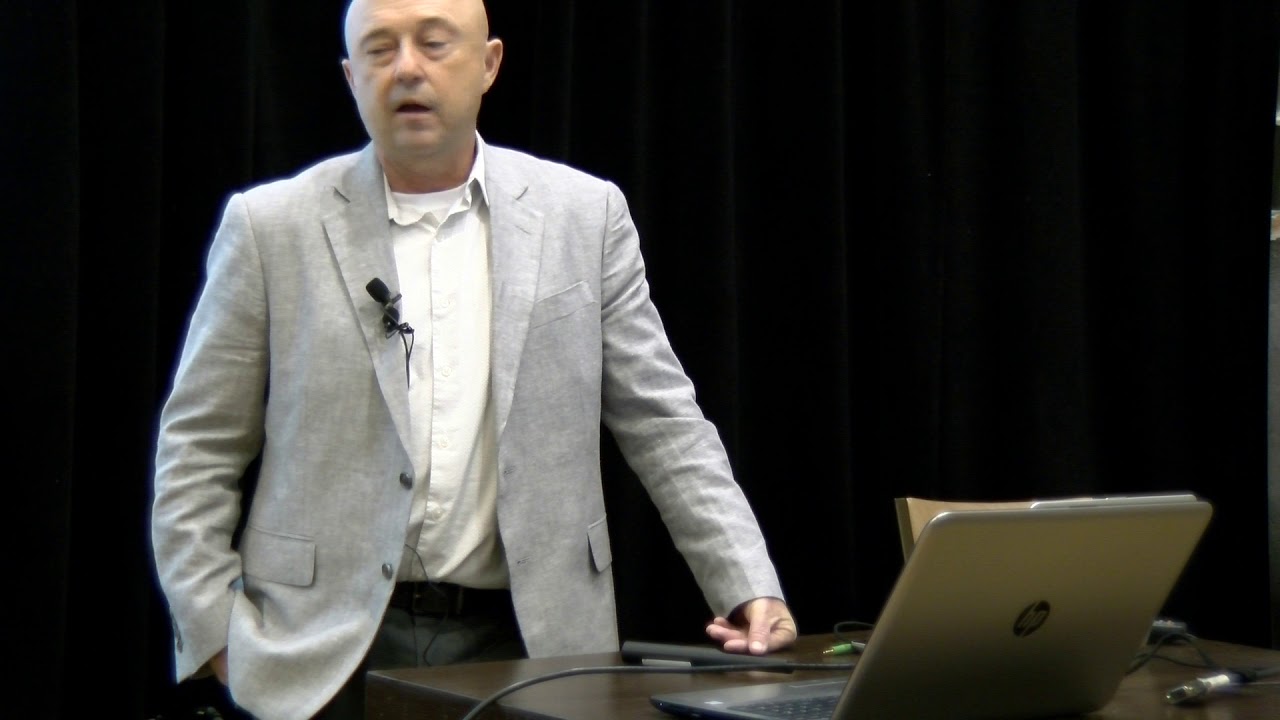
Over more than 35 years working alongside Empire Investigation, Tim Holoman — multiple Emmy Award winner and longtime Pittsburgh broadcast journalist — saw firsthand what it means to have a firm that delivers in the field.
Read Article
Corporate Investigations
Executive Risk Hides in Routine: What Rising CEO Security Spending Means for Privacy, Travel, and Daily Exposure
Executives often protect the obvious things and ignore the routine ones. Same rooms. Same routes. Same calls. Same vendors. Routine is where exposure likes to hide.
Read Article