Corporate Red Team Assessments

Corporate Red Team Assessments

Cyber-physical and physical penetration testing for organizations that need to know what can actually be breached.

Request Confidential Assessment

Executive Report · August 1984

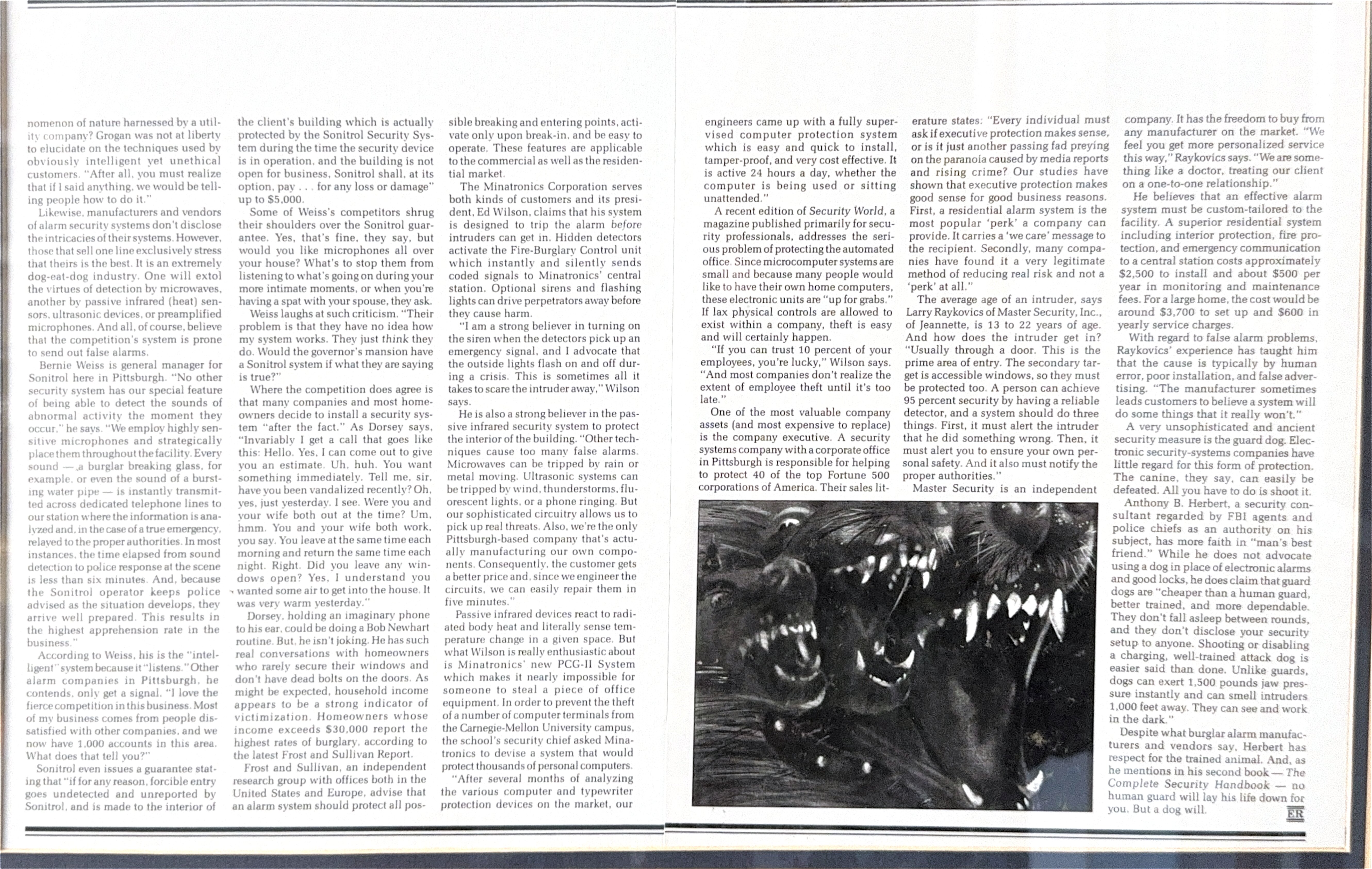
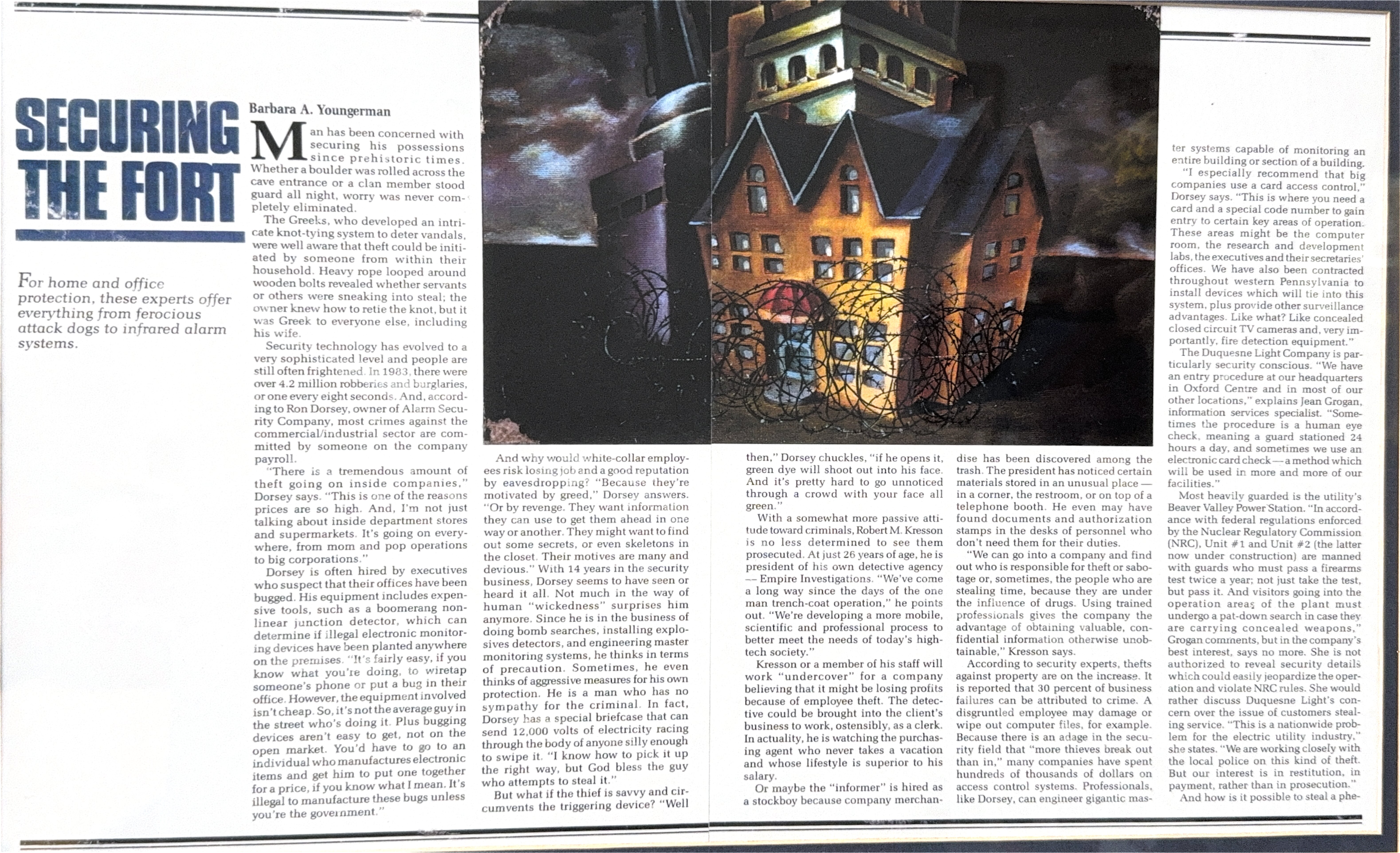
Securing the Fort

A cover-story feature presenting Empire as an increasingly technical, disciplined investigative operation focused on executive concerns, detection equipment, and professional methodology.

The relevance is direct: serious security work has always been about what an organization assumes, what it observes, and what it can prove when pressure arrives. The archive gives this page a historical foundation instead of a new marketing costume.

View Legacy Vault
Securing the Fort archive page 1
Securing the Fort archive page 2
Securing the Fort archive page 3

The Team

Built For Serious Adversarial Work

Companies hire security firms to feel prepared. Security firms come to Empire when they need to know what can be breached.

Investigative Depth

Four decades of investigative resources, surveillance knowledge, technical-security work, and corporate-risk judgment inform how Empire studies an environment before pressure is applied.

Operator Bench

Red team engagements may draw from investigators, surveillance specialists, technical operators, security professionals, and people with law-enforcement, military, agency, or adversarial-testing backgrounds.

Judgment Under Constraint

Other security and investigation companies may come to Empire when they need physical or cyber-physical testing performed by people who understand authorization, discretion, and evidence.

What Gets Tested

If access depends on politeness, routine, uniforms, badges, assumptions, fragmented responsibility, or someone being too uncomfortable to challenge a stranger, it can be tested.

Buildings

Buildings fail where routine becomes trust.

Access control is often designed around credentials and cameras, then weakened by held doors, busy lobbies, familiar uniforms, service elevators, loading areas, and staff who have never been trained to challenge confidence.

Executive Floors

The most protected rooms can depend on the least tested assumptions.

Executive suites, boardrooms, legal departments, sensitive meeting spaces, and administrative corridors are assessed for how people, visitors, vendors, devices, and information move when the day is under pressure.

Private Aviation

A private jet concentrates itinerary, wealth, family, staff, and decisions.

Private aviation assessments examine the movement around aircraft, hangars, ground transportation, FBO workflows, guest handling, staff routines, and the providers who touch an executive journey before anyone calls it security.

Country Clubs

Member environments are built on recognition, not resistance.

Country clubs around Pittsburgh and similar private settings can expose executive patterns, family movement, guest assumptions, event access, and informal conversations that never appear in a corporate security policy.

Colleges And Campuses

Open institutions need tested discipline.

Campus work can evaluate administrative buildings, dormitory access, athletic facilities, event environments, visitor paths, contractor movement, and the gaps between public openness and protected operations.

Vendor Paths

The front desk is rarely the only way in.

Assessment work tests the service corridors of an organization: deliveries, maintenance, cleaning, IT visits, temporary staff, event crews, and trusted paths that can become unchallenged paths.

Event Security

Temporary operations create permanent consequences.

Conferences, board meetings, investor events, executive dinners, and private gatherings can be reviewed for arrival flows, credential assumptions, staff handoffs, restricted zones, and decision points under crowd pressure.

Sensitive Meeting Spaces

The room matters before the meeting begins.

Sensitive spaces are assessed for access, visibility, nearby service movement, device exposure, after-hours routines, visitor handling, and the quiet ways confidential work can become observable.

Private Aviation

Private jet security is not about the aircraft alone.

Private aviation compresses wealth, itinerary, family, staff, vendors, ground transportation, and sensitive business movement into a narrow operational window. The risk is not only what happens at the aircraft. It is what happens around the aircraft, before the aircraft, and through the people who make the movement possible.

Ritz-Carlton-style global hospitality and country clubs around Pittsburgh are different environments, but they share one important exposure: service cultures are built to anticipate needs, not challenge presence. A careful assessment compares those routines without glamorizing them, because predictable executive movement becomes useful to anyone disciplined enough to observe how service providers, guests, staff, and transportation intersect.

Future Campus Video

Campus Red Team Assessments

Colleges are open by design.

This reserved video section will support campus access, dormitory, administrative, event, athletic, and facility testing for institutions that need openness and discipline to coexist.

Assessment Path

From Assumption To Evidence

Every engagement is authorized, scoped, documented, discreet, and designed for executive decision-making. The objective is not theater. It is evidence that leadership can use.

01
Scope
Define the facilities, people, timing, boundaries, and business questions the assessment must answer.
02
Rules Of Engagement
Set written authorization, safety limits, escalation contacts, evidence handling, and stop conditions before any activity begins.
03
Reconnaissance
Study observable routines, public information, access flows, service patterns, and the assumptions an adversary would look for.
04
Controlled Attempt
Execute authorized physical and cyber-physical tests against the agreed scope with discretion, documentation, and discipline.
05
Evidence And Reporting
Deliver a factual record of what was attempted, what worked, what failed, and what the organization should change.
06
Executive Debrief
Brief leadership in plain language, focused on decisions, exposure, remediation priorities, and retest options.

Confidential Assessment

Know what would fail before it matters.

If your security posture has never been tested by people who intend to win, you do not know what it can withstand.