Technical Surveillance Countermeasures
How to Tell If Your Office Is Under Surveillance: A Professional's Guide
Corporate espionage happens in Pittsburgh boardrooms. Learn the physical and electronic warning signs of office surveillance, what a professional TSCM sweep involves, and when to call Empire Investigation.
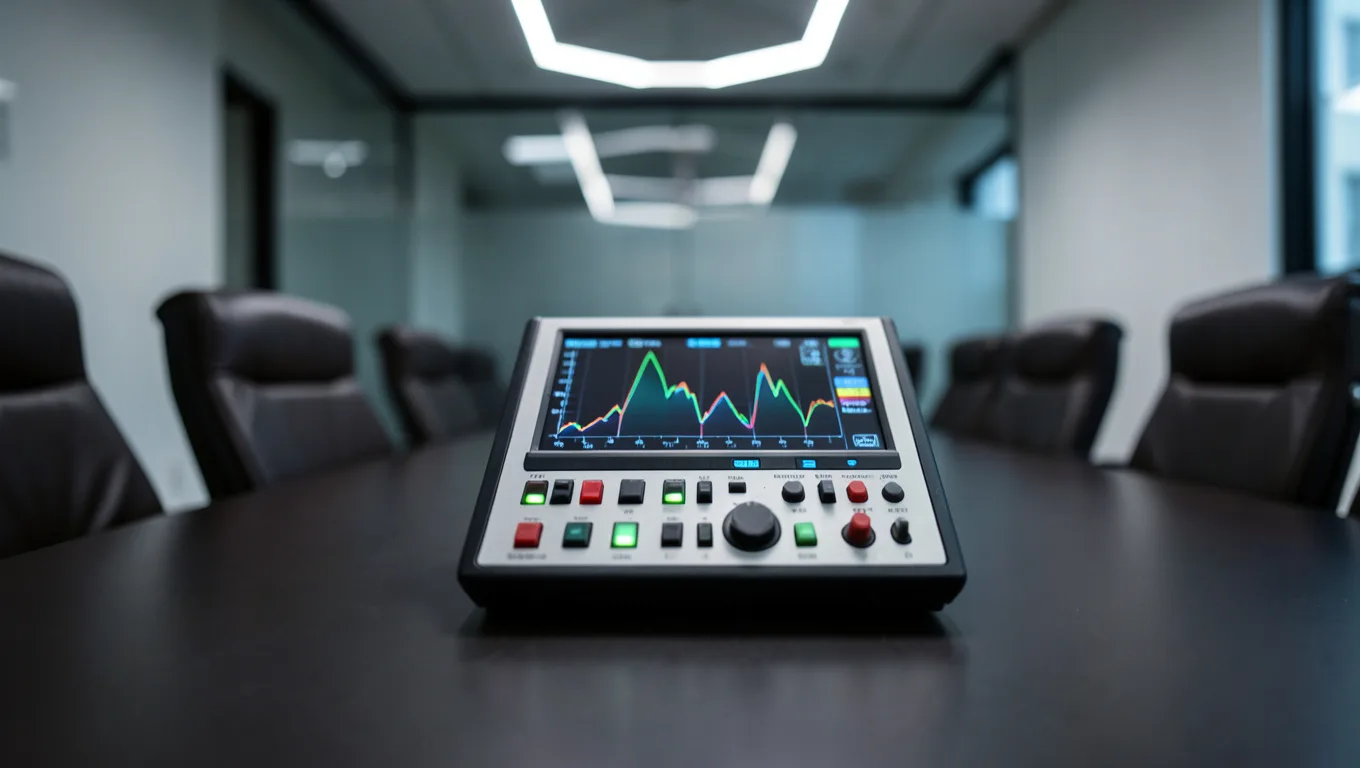
Why offices are targeted for surveillance
Corporate espionage is not the province of international thrillers. It happens in Pittsburgh boardrooms, Chicago law offices, and mid-sized manufacturing plants across western Pennsylvania. The sources are varied: a disgruntled employee, a competitor who has made a deliberate decision to gain an informational edge, a business partner with interests that have quietly diverged from yours, or a domestic dispute that has escalated into the professional sphere. Anyone with access to your physical space, communications infrastructure, or IT environment has the theoretical means to place surveillance. Modern devices are extraordinarily small, affordable, and easy to acquire — a capable listening device can be ordered online, delivered next-day, and hidden in a conference room in under four minutes.
The common thread is access. Executive conference rooms, C-suite offices, and spaces where legal or financial conversations occur are the highest-value targets because that is where consequential information is spoken aloud. The question is not whether office surveillance can happen. It is whether it has.
Warning signs you can identify without equipment
Physical changes that warrant attention include small holes or marks in walls, ceiling tiles slightly out of alignment, screws that appear recently disturbed, items that have moved without explanation, smoke detectors or clocks that seem newer or slightly different from others in the room, and unfamiliar adapters or devices attached to network ports or conference equipment. A device does not have to look like a bug to function as one — many of the most effective surveillance tools are disguised as ordinary office hardware.
Behavioral patterns matter equally. If sensitive information is consistently reaching people who should not have it — pricing strategy, HR discussions, acquisition planning, legal preparation — and internal review has identified no human source, surveillance is a reasonable hypothesis to investigate. Unusual telephone behavior, such as volume fluctuations during calls, faint tones on silent lines, or VoIP quality issues localized to specific conference rooms, also warrants professional attention.
Further Reading
What a professional TSCM sweep involves
A professional Technical Surveillance Countermeasures sweep is a structured, methodical investigation using professional-grade detection equipment. At Empire Investigation, every commercial sweep includes physical inspection of walls, ceilings, furniture, fixtures, power outlets, and HVAC vents; RF spectrum analysis to identify wireless signals in frequency ranges specifically chosen to avoid consumer-grade detection; and Non-Linear Junction Detection (NLJD), which identifies electronic components regardless of whether a device is powered on or transmitting — the only reliable method for finding dormant, shielded, or evasion-designed surveillance hardware.
The sweep also covers telephone and network infrastructure — physical inspection of PBX and VoIP systems, data network ports, and all communication hardware. Thermal imaging identifies heat signatures from active devices concealed within walls. Lens detection wands identify pinhole cameras invisible to the naked eye. Every sweep concludes with a written report documenting what was inspected, what was found, any anomalies identified, and recommended next steps — formatted to support law enforcement referral and legal proceedings if a device is discovered.
When the cost of not sweeping exceeds the cost of the sweep
The strongest trigger for a professional sweep is not paranoia — it is consequence. If a room hosts discussions involving litigation, trade secrets, executive personnel decisions, or active deal activity, the uncertainty alone is expensive enough to justify verification. The environments that consistently present the highest exposure are executive conference rooms, C-suite offices, IT and server rooms, reception areas, and executive vehicles. You do not need to have confirmed surveillance to have a defensible reason to sweep.
Empire Investigation has conducted TSCM sweeps in Pittsburgh and across the United States since 1982. Our founder trained alongside Jim Ross, Marty Kaiser, and Ted Sandin — three of the most respected names in American surveillance detection history. Our equipment is professional-grade, our process is systematic, and our discretion is absolute. If you have reason to believe your office environment is compromised, the right time to act on that concern is before the next sensitive meeting — not after it.
Keep Reading
More from the journal
TSCM
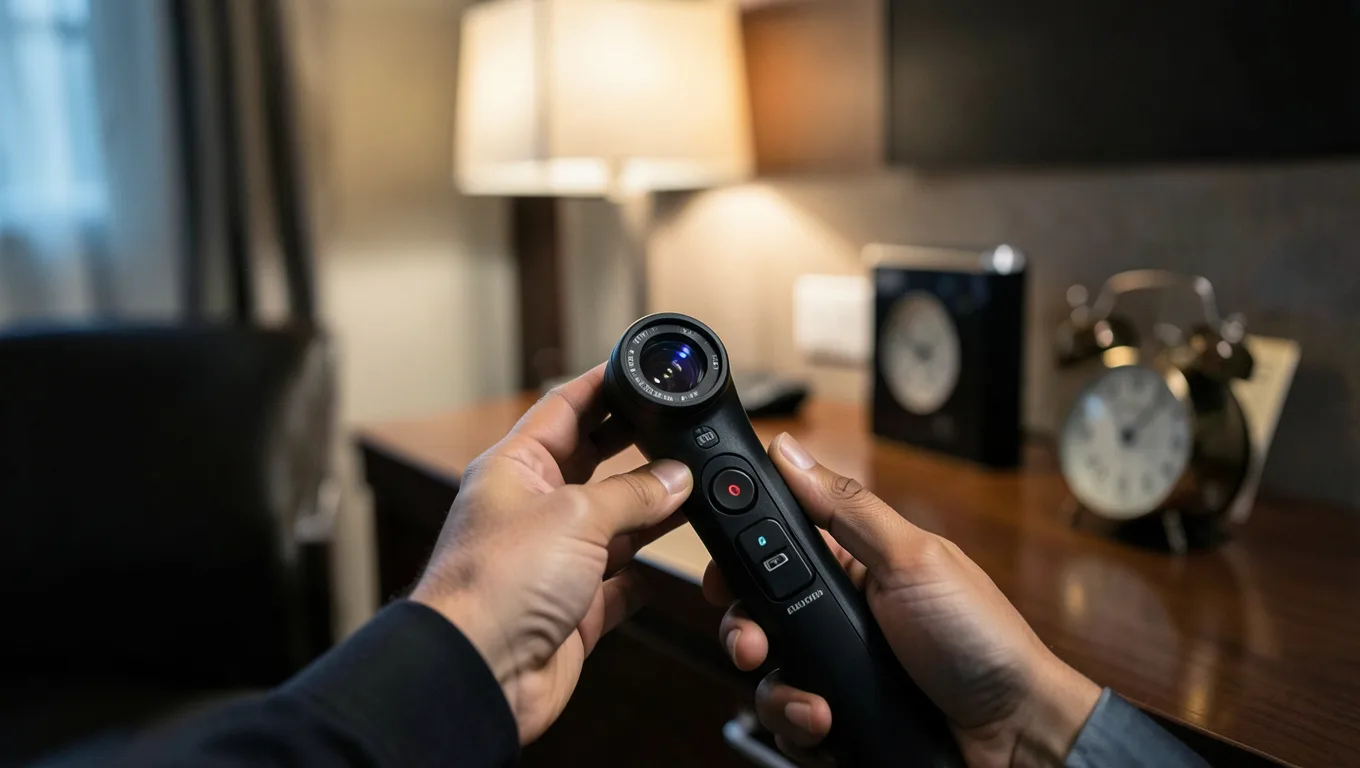
How to Detect Hidden Cameras in Your Hotel Room or Airbnb
Reports of hidden cameras in Airbnbs and hotel rooms have appeared in the BBC, ABC, and New York Times. The technology is cheap, the placement is easy, and most travelers never look. Here is how to find them.
Read Article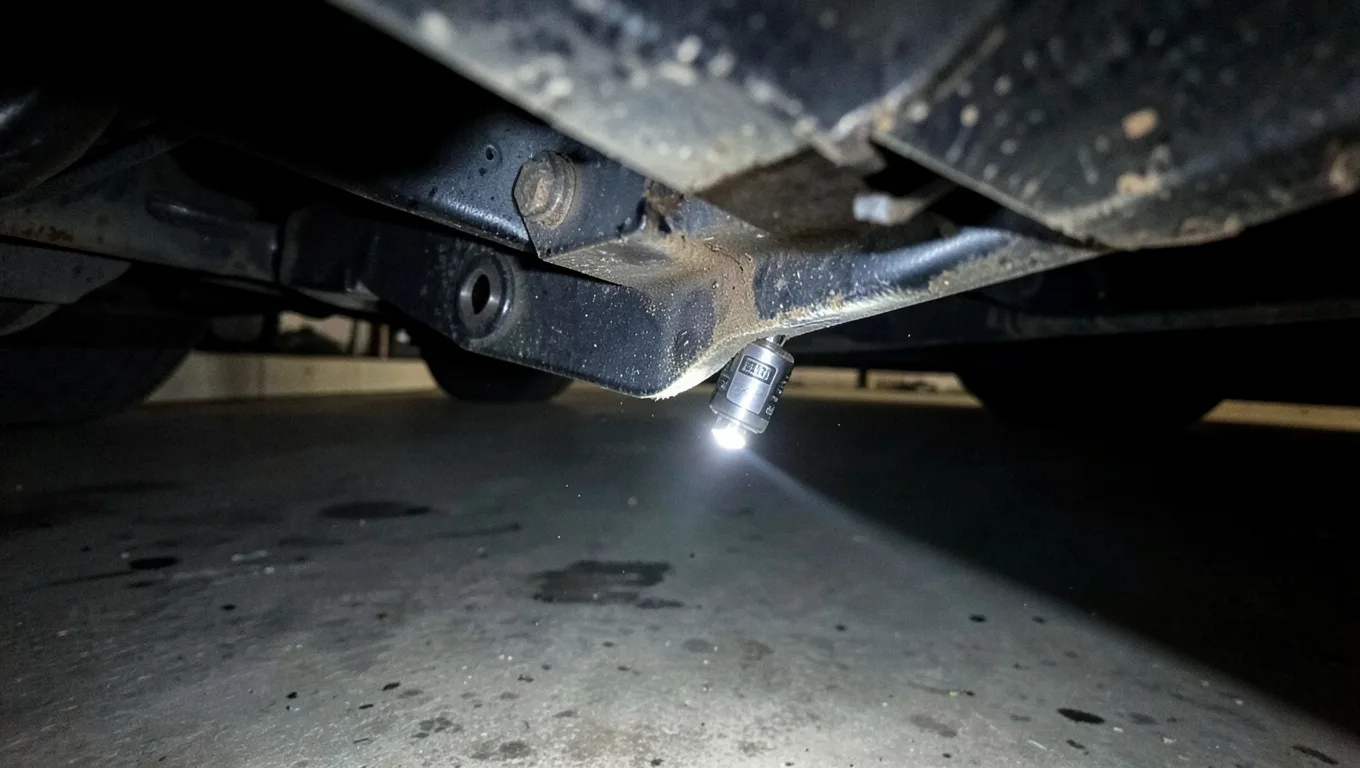
TSCM
GPS Tracker on My Car: How to Find It — And What to Do Next
GPS tracking devices are available online, delivered next-day, for under $300. Installation takes under 60 seconds and no tools. Here is where they hide and how to find them.
Read Article